


Chronic Kidney Disease in Cats
October is a great time to talk about one of the most common health concerns we see in our feline patients: kidney disease.
Kidney disease is particularly common in older cats. In fact, it affects more than 40% of cats over 10 years of age and up to 80% of cats over 15 years of age. While kidney disease can occur at any age, the risk increases as our cats get older.

One of the challenges with kidney disease is that cats don't always show obvious signs in the early stages. Cats are also very good at hiding when they aren't feeling their best, which means subtle changes in behavior or routine can sometimes be the first clues that something isn't quite right.
What Signs Should You Watch For?
As kidney function declines, waste products and other substances can begin to build up in the bloodstream. Your cat may start showing a variety of signs, including:
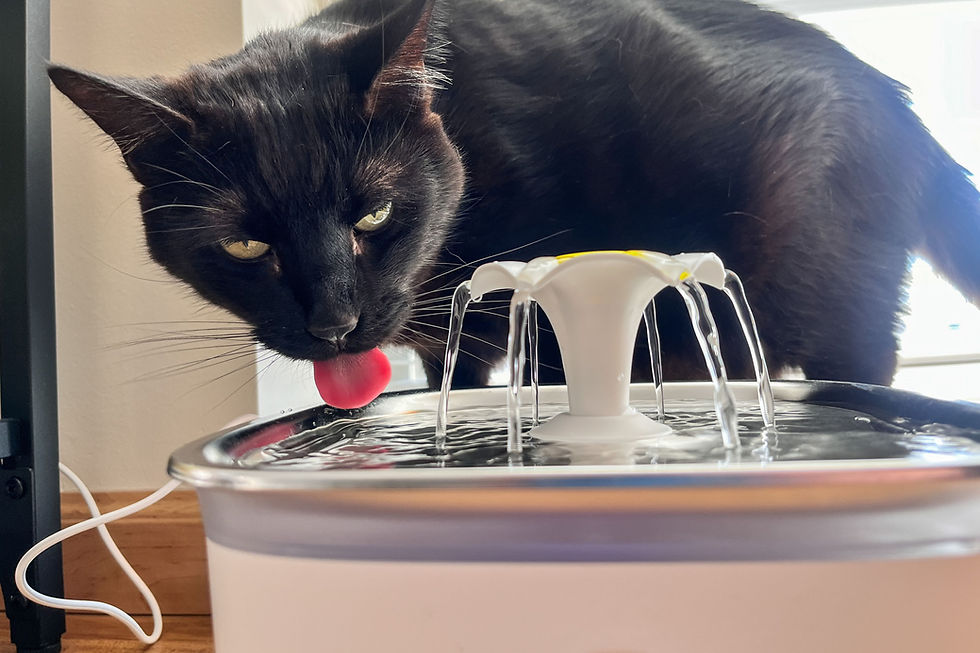
Drinking more water than usual
Urinating more frequently or producing larger amounts of urine
Bad breath or a change in the smell of their breath
Vomiting
Decreased appetite
Weight loss or difficulty maintaining weight
Lethargy or decreased activity
Hiding more than usual
Less interaction with their owners
Generally seeming "not quite themselves"
Some of these signs can be associated with many different health conditions, which is why a proper veterinary examination and diagnostic testing are so important.
How Do We Diagnose Kidney Disease?
When your cat comes to the clinic with signs that could indicate kidney disease, we start with a thorough physical examination. Depending on what we find, we will often recommend bloodwork and a urine sample.
Bloodwork gives us a much bigger picture of your cat's overall health. In addition to evaluating kidney values, our testing can provide information about the:
Liver
Pancreas
Electrolytes
Red blood cells
White blood cells
Platelets
A urinalysis is also an important part of evaluating kidney function. Looking at both blood and urine allows us to put the pieces together and better understand what is happening with your cat's kidneys and overall health.
The combination of your cat's history, physical examination, bloodwork and urine testing helps us determine whether kidney disease is present, how significant the changes may be, and what other health concerns may need to be considered.
What Happens After a Kidney Disease Diagnosis?
The good news is that a diagnosis of kidney disease doesn't mean there is nothing we can do.
There are many ways we can help support cats with kidney disease and maintain their quality of life. Treatment is individualized for each cat and may include nutritional changes, supplements, medications and regular monitoring.
Nutrition plays an especially important role. We may recommend transitioning your cat to a veterinary therapeutic kidney diet that is specifically formulated to support kidney health. These diets are carefully designed with appropriate levels of minerals, protein and other nutrients to help support cats with reduced kidney function.
Depending on your cat's individual needs, we may also recommend supplements or medications to help manage phosphorus levels, support the removal of waste products, control nausea, or encourage appetite.
Making Changes Slowly
We know that managing kidney disease can feel overwhelming — for both you and your cat!
Cats can be particular about their food, and introducing a new diet, supplement or medication all at once can be stressful. That's why we will often recommend introducing changes one at a time and gradually, whenever possible.
This allows us to see how your cat responds to each change and helps us determine what works best for them. It also gives you time to figure out the easiest way to administer medications or supplements and make sure your cat is continuing to eat.
Most importantly, keeping your cat eating and maintaining a healthy weight is a very important part of managing chronic disease.
Don't Ignore the Small Changes
Cats don't always make it obvious when they aren't feeling well. A little more drinking, a slightly smaller appetite, or spending more time hiding may seem insignificant at first, but these changes can sometimes be early signs of an underlying health problem.

Regular wellness examinations and bloodwork become increasingly important as our cats age. Early detection can give us more information and more opportunities to support your cat's health and quality of life.
If you've noticed changes in your cat's drinking, urination, appetite, weight, behavior or activity level, give us a call. We're always happy to help you determine whether those changes warrant a closer look.


Comments