


Beat the Heat: Keeping Your Pet Safe and Cool This Summer
Keeping your pet cool during hot summer months is important to prevent overheating and conditions like Heatstroke. Dogs, cats, and other pets can struggle in high temperatures, so a few simple habits can make a big difference. Here are practical tips 🐾☀️
🥤 Provide Constant Access to Fresh Water
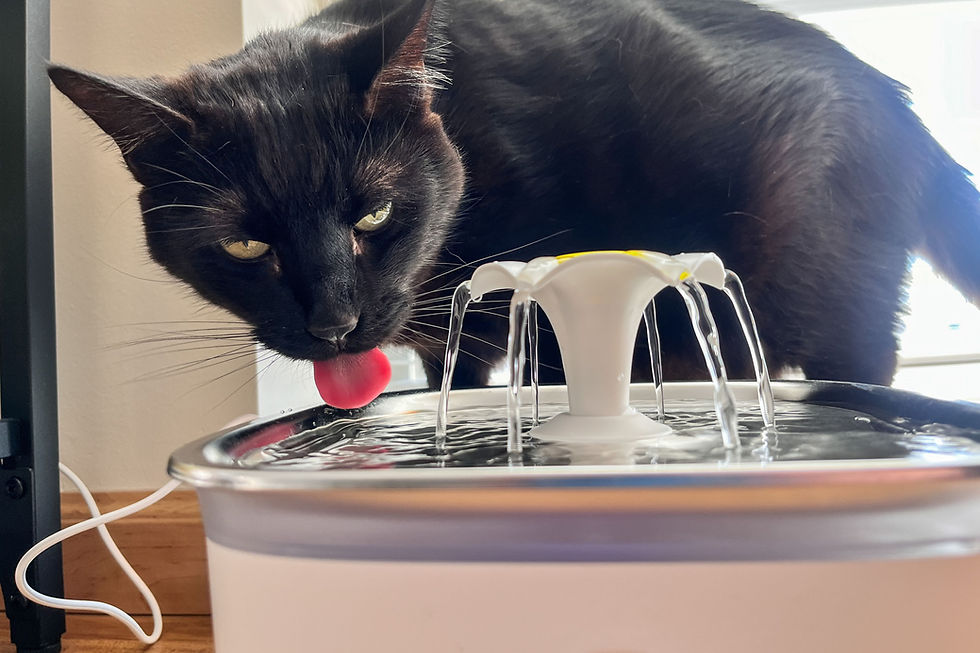
Keep multiple water bowls around the house and yard.
Refresh water often so it stays cool and clean.
Consider a pet water fountain—many pets drink more from moving water.
Add a few ice cubes to the bowl on very hot days.
💡 Tip: Bring water with you if you're going on walks or trips.
🌳 Create Cool, Shaded Areas
Make sure outdoor pets have plenty of shade (trees, umbrellas, covered patios).
Indoors, keep fans or air conditioning running during heat waves.
Cooling mats or damp towels can give pets a comfortable place to lie down.
⚠️ Never leave pets in a parked car—even for a few minutes.
🚶 Adjust Exercise Times
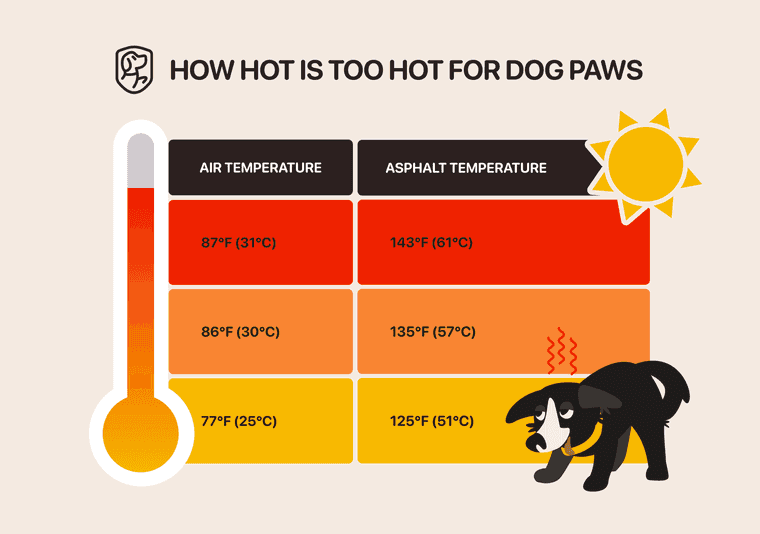
Walk dogs early in the morning or late in the evening.
Avoid midday heat when pavement is hottest.
Test pavement with your hand—if you can't hold it for 7 seconds, it's too hot for paws.
💦 Help Them Cool Down
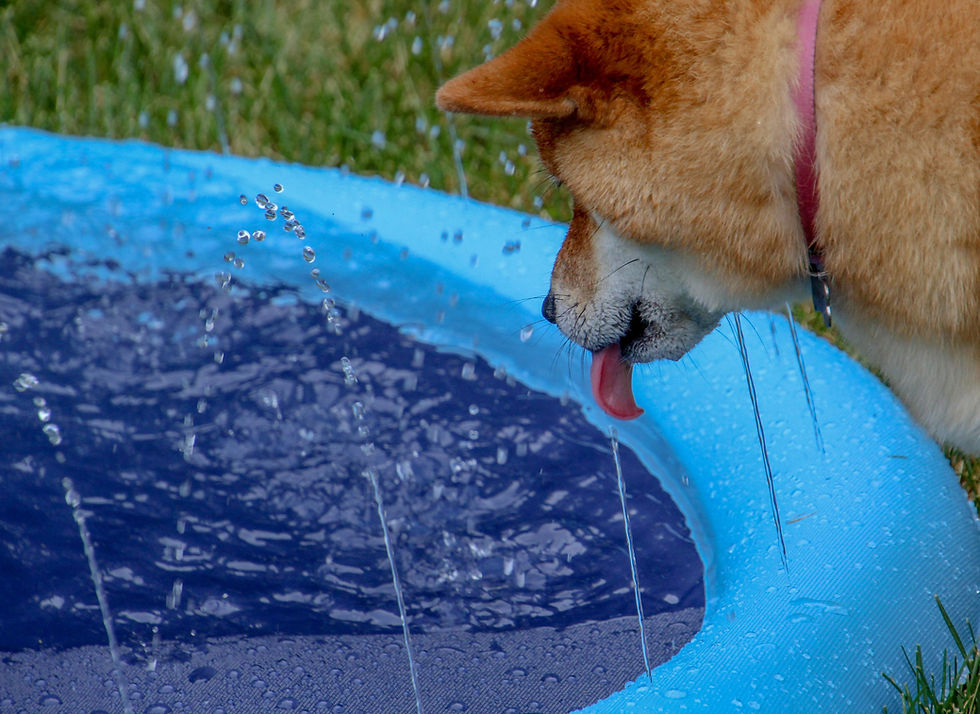
Let dogs splash in a kiddie pool or shallow water.
Use pet-safe cooling vests or bandanas.
Lightly mist your pet with water or wipe paws and belly with a cool damp cloth.
✂️ Groom Smartly
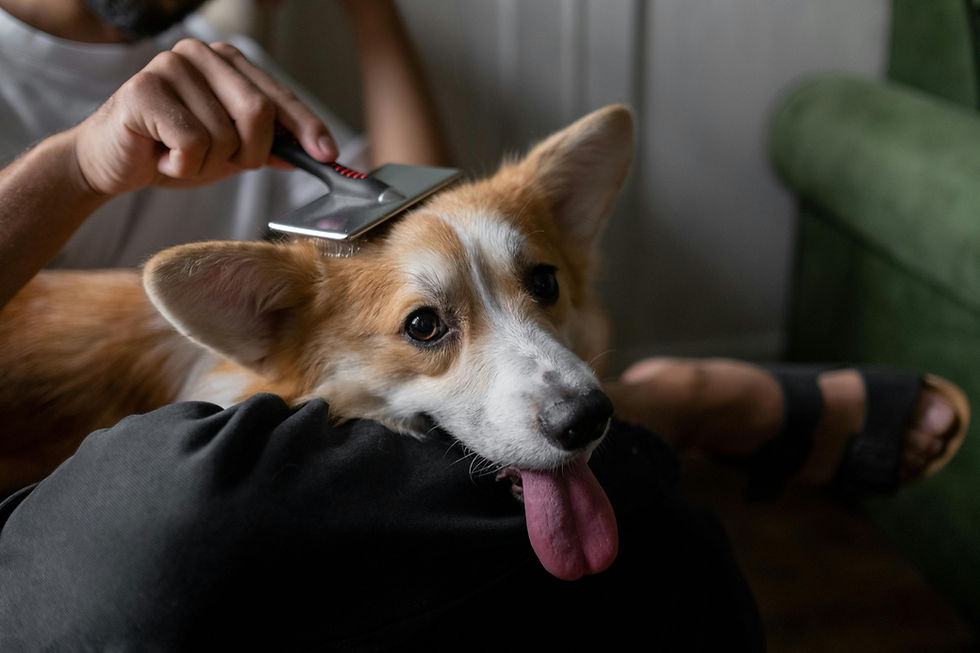
Regular brushing removes excess fur and helps airflow.
Avoid shaving double-coated breeds completely, those coats help regulate temperature.
Trim long hair carefully if recommended by a vet or groomer.
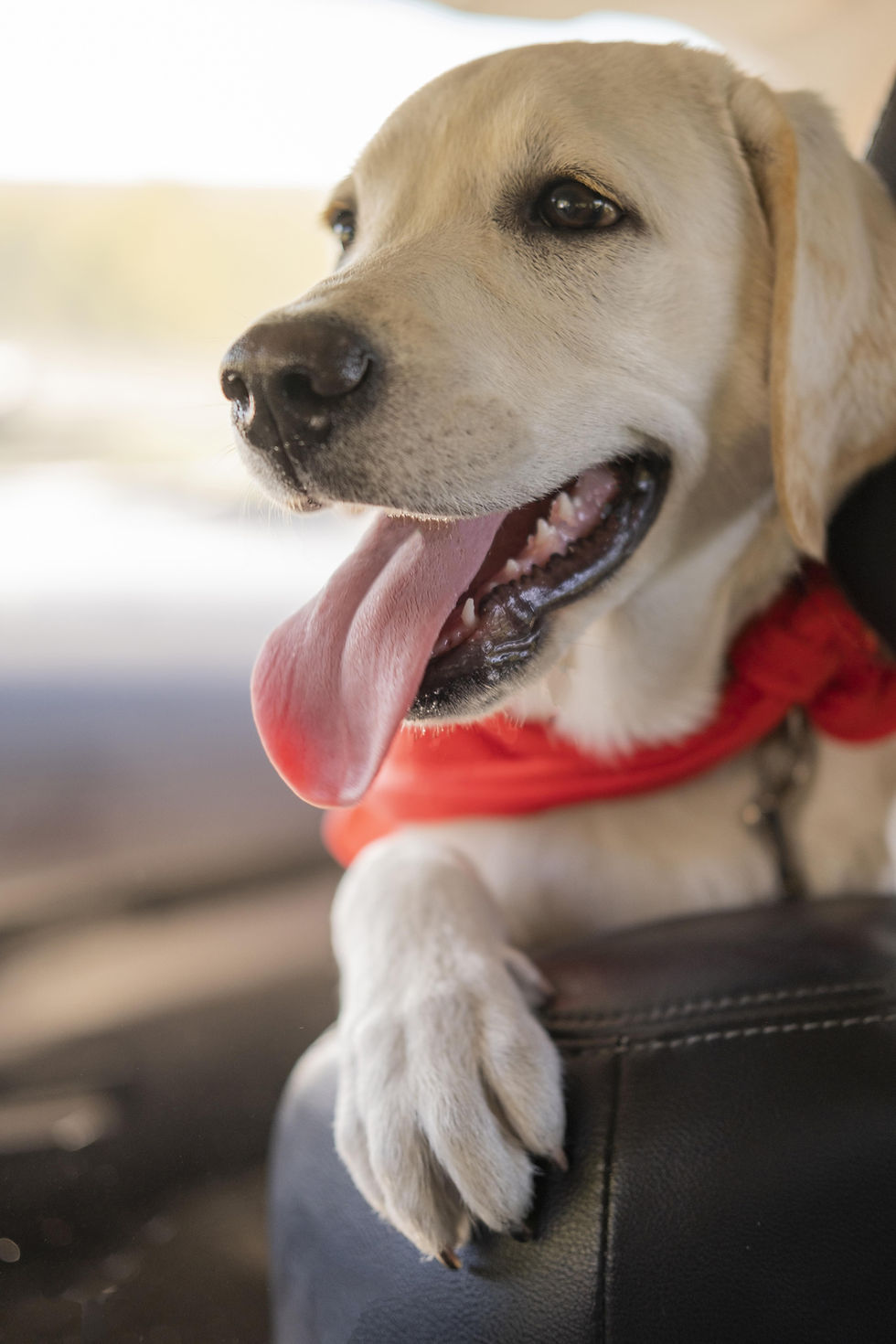
✅ Watch for signs of overheating:
Heatstroke in pets (especially dogs and cats) is a medical emergency. Animals can overheat quickly because they don’t sweat like humans. They mostly cool themselves by panting. Knowing the warning signs can help you act fast and potentially save your pet’s life. 🐾☀️
🟢Early Signs of Heatstroke
These are the first symptoms that your pet may be overheating:
Excessive panting or rapid breathing
Drooling more than usual
Bright red gums or tongue
Restlessness or agitation
Increased heart rate
Warm body temperature
Pets may also seek shade, lie down suddenly, or refuse to move.
🟡Moderate Signs
If overheating continues, symptoms worsen:
Vomiting or diarrhea
Weakness or stumbling
Glassy eyes
Thick, sticky saliva
Lethargy or confusion
At this stage, your pet may have trouble standing or responding normally.
🔴Severe / Emergency Signs
These indicate advanced heatstroke and immediate veterinary care is required:
Collapse or inability to stand
Seizures
Pale, blue, or purple gums
Unconsciousness
Body temperature above ~40°C (104°F)
Without rapid treatment, heatstroke can lead to organ failure or death.
What To Do Immediately
If you suspect heatstroke:
Move your pet to a cool or shaded area immediately.
Offer small amounts of cool (not ice-cold) water.
Cool them gradually using:
wet towels
cool water on paws, belly, and ears
a fan
Get to a veterinarian as soon as possible.
⚠️ Avoid ice baths or very cold water, they can cause shock.
Pets at Higher Risk
Some animals overheat more easily:
Flat-faced breeds (e.g., Bulldog, Pug)
Older pets or puppies/kittens
Overweight animals
Pets with heart or breathing problems
Thick-coated breeds
With awareness and preparation, you can help ensure your pets stay comfortable, healthy, and safe throughout the summer months. A little extra attention during hot weather can make a big difference in protecting the well-being of your furry companions. 🐶🐱



Comments